
How to Build a Franchisee Onboarding Process That Works
A successful franchisee onboarding process converts a signed franchisee into a verified, launch-ready operator within a predictable timeframe while protecting brand standards and early unit economics. The fastest-growing franchise brands don’t leave that conversion to chance. They run it like a project, with milestones, owners, and checkpoints built in from day one.
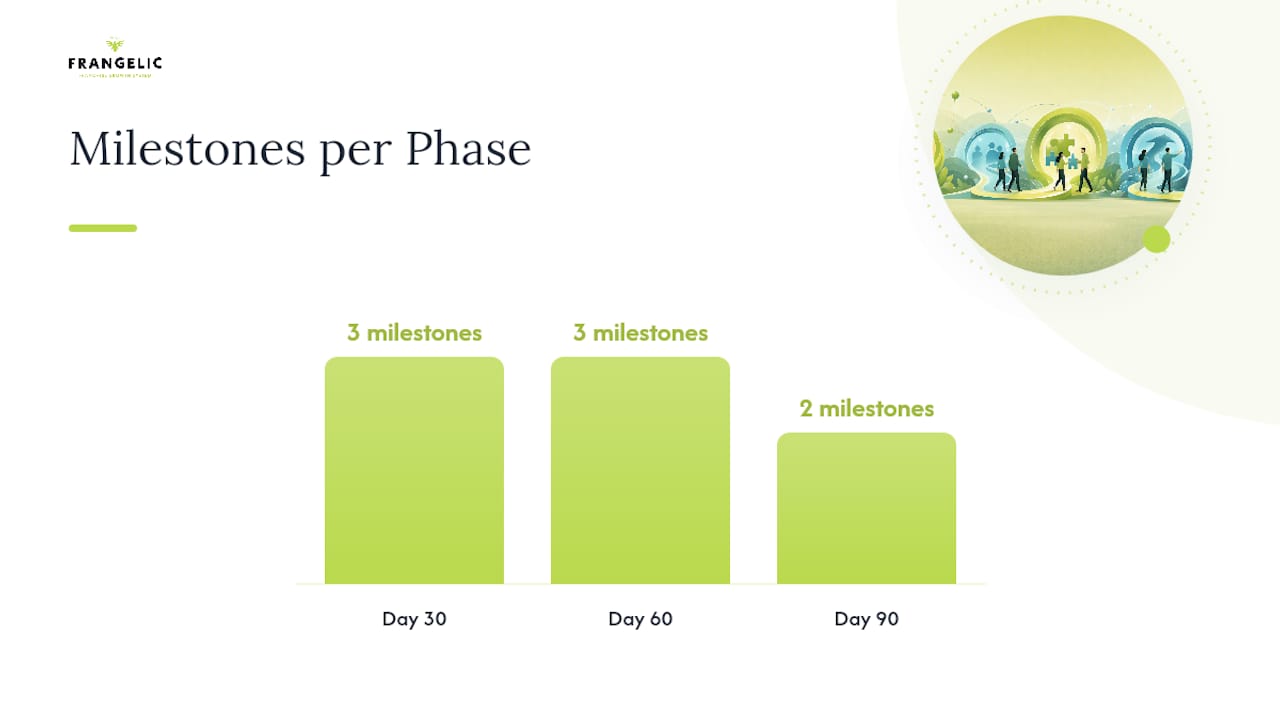
Here’s what the first 90 days should look like at a high level:
- Day 1–30 (Foundation): Agreement signed, welcome package sent within 24–48 hours, entity formation confirmed, financing in place, site lease executed, access to systems granted, initial HQ training scheduled.
- Day 31–60 (Build): Training completed and certified, site construction or fit-out underway, vendor accounts activated, POS and CRM configured, local marketing campaigns in pre-launch mode, staff hired and in training.
- Day 61–90 (Launch): Pre-opening inspection passed, soft open completed, grand opening executed, first KPI review conducted, field coach debrief scheduled.
According to a data-backed franchise onboarding guide, well-structured onboarding programs can increase franchisee satisfaction and retention by up to 30%. That number alone justifies treating onboarding as a strategic investment rather than an administrative formality.
Start these immediately after signing:
- Send the welcome package and onboarding roadmap within 24–48 hours.
- Assign a dedicated launch coach or onboarding manager.
- Open the franchisee’s access to your LMS and shared knowledge base.
- Schedule the first HQ training block within the first two weeks.
- Trigger the compliance and permitting checklist for the franchisee’s specific market.
Frangelic’s structured coaching system is built around exactly this kind of phased, milestone-driven launch plan. More on that in Section 10.
Key Takeaways
A structured franchisee onboarding process, built around clear 30/60/90-day milestones, certified training, real-time technology, and consistent field support, is the single most reliable predictor of strong early unit performance and long-term franchisee retention.
| Point | Details |
|---|---|
| Start within 24–48 hours | Send the welcome package and onboarding roadmap immediately after signing to reduce confusion and set expectations. |
| Use 30/60/90 milestones | Structure every opening around certified training by Day 30, first KPI review by Day 60, and independent operation by Day 90. |
| Build in 15–20% schedule buffer | Permitting and equipment delays are common; adding buffer prevents cascading delays and franchisee burnout. |
| Retention improves up to 30% | Well-structured onboarding programs can increase franchisee satisfaction and retention by up to 30%, directly improving unit economics. |
| Frangelic accelerates the process | Frangelic’s coaching system, launch plans, scorecards, and CRM integrations give franchisors a repeatable onboarding program that reduces support workload and speeds time-to-revenue. |
Why does a strong onboarding process matter for franchise ROI?
Poor onboarding is expensive in ways that don’t always show up on a single line item. A franchisee who opens two months late, misses early revenue targets, and calls the support team daily isn’t just a problem for that unit. It strains your field team, dilutes your brand, and creates legal exposure if the franchisee later claims they weren’t adequately prepared.
The retention argument is the most direct. Structured onboarding programs can increase franchisee satisfaction and retention by up to 30%, which matters because replacing a franchisee costs far more than retaining one. Recruitment, legal fees, retraining, and lost royalties during a transition add up fast.
Time-to-profitability is the second lever. Every week a new unit runs below break-even is a week the franchisee is drawing down reserves and losing confidence. A tight onboarding process compresses that window by eliminating the most common causes of delay: unclear expectations, missed permits, undertrained staff, and misconfigured systems.
There’s also a brand risk dimension. A franchisee who opens without completing compliance training, or who launches local marketing that doesn’t meet brand standards, creates liability that extends beyond their unit. The franchisor-franchisee relationship is a partnership, and the onboarding period is when the terms of that partnership get operationalized. Get it right and you build trust. Get it wrong and you spend the next two years managing a difficult relationship.
Key benefits of a structured franchise onboarding process:
- Faster time-to-profitability for new units.
- Lower franchisee turnover and higher satisfaction scores.
- Reduced inbound support calls during the first 90 days.
- Fewer opening delays from permitting, training, and vendor gaps.
- Stronger brand consistency across locations from day one.
What are the core components of an effective franchisee onboarding process?
Onboarding isn’t a single event. It’s a sequence of discrete, repeatable components that each have a clear owner, a defined output, and an acceptance criterion. Here’s how to structure them.
Pre-onboarding preparation
This phase starts the moment the franchise agreement is signed. The franchisor’s job is to remove every obstacle between the franchisee and their first day of training.
- Send a welcome package and onboarding roadmap within 24–48 hours of signing.
- Confirm entity formation (LLC, S-Corp, or other structure) and financing.
- Provide access to the LMS, operations manual, and vendor portal.
- Issue a compliance checklist covering permits, licenses, health and safety requirements, and data-privacy obligations for any digital or CRM integrations.
- Assign a primary support contact so the franchisee isn’t hunting for answers.
Initial training and curriculum
Training is where most franchisors underinvest. A curriculum that covers operations, marketing, financial management, and brand standards needs to be structured around clear learning objectives, not just a stack of slide decks.
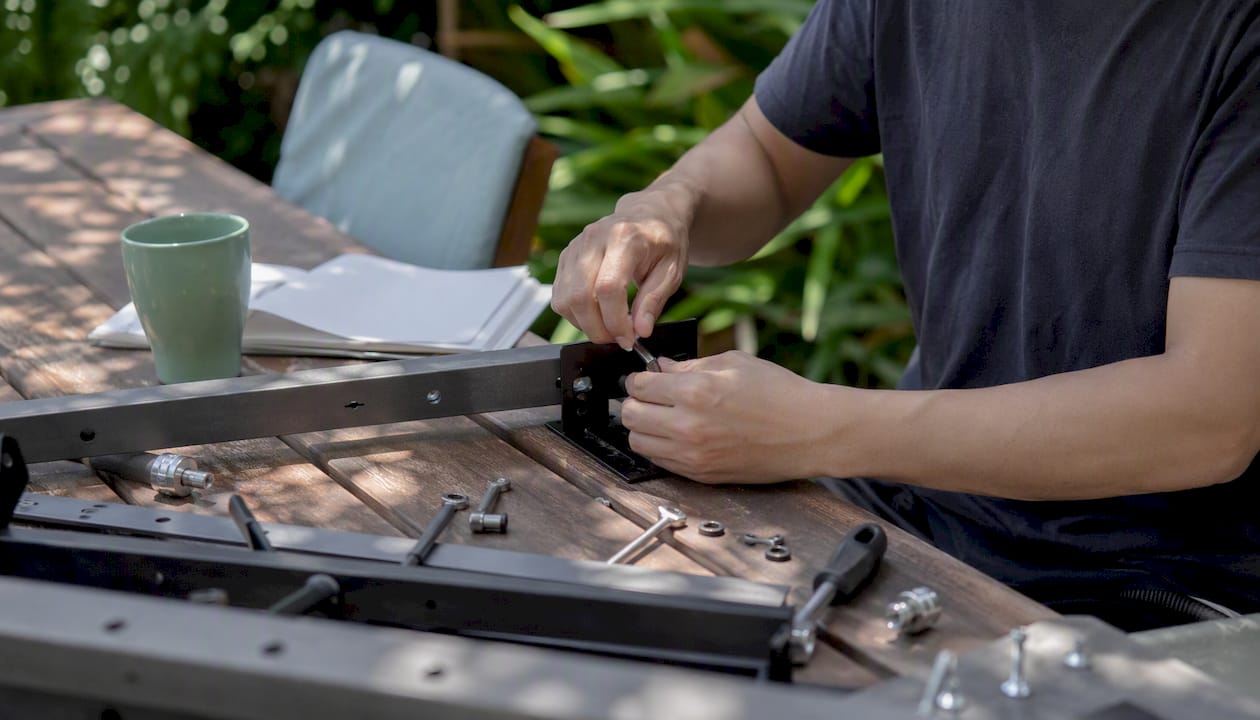
The Know, Show, Do, Review methodology is the most effective framework for operational skills: the franchisee learns the concept (Know), watches it demonstrated (Show), performs it themselves (Do), and receives structured feedback (Review). Pair this with spaced-repetition techniques in your LMS and you materially improve long-term retention while reducing re-training needs.
Core curriculum modules should include:
- Brand standards and culture
- Operations and quality control
- Financial management (P&L, labor %, COGS targets)
- POS, CRM, and technology systems
- Local marketing and grand opening execution
- HR, hiring, and staff management
- Compliance, safety, and regulatory requirements
Certification criteria should be explicit. A franchisee passes each module when they can demonstrate proficiency, not just complete the course.
Training formats
No single format works for every skill. In-person training at HQ is best for culture immersion, hands-on equipment practice, and relationship-building. Virtual instructor-led sessions work well for financial management, marketing systems, and compliance modules where the content is knowledge-based. On-the-job mentoring and shadowing at an existing franchise location is the most effective format for operational skills, because it shows the franchisee what “good” looks like in a real environment under real conditions.
Blended learning, combining e-learning modules with in-person practice, produces the strongest retention outcomes for operational skills.
Operational setup
Before the doors open, every system needs to be live and tested. This includes POS configuration, inventory management, CRM setup, vendor account activation, and integration of any digital marketing or loyalty platforms. Data-privacy readiness should be confirmed here too, particularly if the franchise collects customer data through third-party platforms.
Post-launch support
The 90-day clock doesn’t stop at grand opening. Field visits, weekly KPI check-ins, and refresher training modules in the first 60 days post-open are what separate franchisors who retain franchisees from those who don’t.
How should field coaching and first-site visits be structured?
Field support during the pre-opening and launch week is where the onboarding plan meets reality. The franchisee has completed training, but they haven’t yet run their own operation under live conditions. This is when small gaps become big problems if no one is watching.
Pre-opening inspection (7–14 days before open): Verify that the site meets brand standards, all equipment is installed and operational, staff have completed required training, and permits and licenses are posted. This visit should produce a signed checklist, not just a verbal confirmation.
Soft open (3–5 days before grand opening): A limited-service or limited-hours opening that lets the team work through operational kinks before full volume. The launch coach should be onsite for at least the first two days.
Grand opening (Days 1–5): Daily check-ins, either onsite or by video call, to review sales data, staff performance, and any operational issues. The local marketing plan should be fully activated by Day 1.
Roles to assign for launch week:
- Launch coach: Primary point of contact, responsible for overall execution and franchisee confidence.
- Operations consultant: Focuses on back-of-house systems, inventory, and quality control.
- Tech integrator: Confirms POS, CRM, and reporting systems are live and accurate.
- Local marketing lead: Confirms grand opening promotions are running and tracks early customer acquisition.
Launch-week field checklist items:
- All staff trained and scheduled.
- POS live and processing transactions correctly.
- Inventory stocked to opening par levels.
- Grand opening marketing activated (social, local ads, email).
- Health and safety compliance confirmed.
- Franchisee can read and interpret daily sales reports.
- Emergency contact list posted for franchisee.
Pro Tip: Schedule a debrief call with the franchisee at the end of Day 5. Ask three questions: What went better than expected? What surprised you? What do you need from us in the next 30 days? The answers will tell you exactly where your onboarding program has gaps.
What do 30/60/90-day milestones and KPIs look like in practice?
The milestone table below gives franchisors a starting framework. Adapt the acceptance criteria to your brand’s specific benchmarks.
| Phase | Milestone | Owner | Acceptance Criteria |
|---|---|---|---|
| Day 30 | Training certified | Franchisee + Training Director | All curriculum modules passed with proficiency sign-off |
| Day 30 | Systems live | Tech Integrator | POS, CRM, and reporting confirmed operational |
| Day 30 | Permits and licenses | Franchisee + Compliance Lead | All required permits posted and verified |
| Day 60 | First KPI review | Launch Coach + Franchisee | Sales, labor %, and COGS reviewed against targets |
| Day 60 | Staff fully hired and trained | Franchisee | All positions filled, onboarding complete |
| Day 60 | Local marketing active | Marketing Lead | Campaigns running, first-month promotions executed |
| Day 90 | Unit economics on track | Launch Coach + Franchisee | Revenue within 15% of projected target |
| Day 90 | Franchisee operating independently | Launch Coach | Support call frequency below threshold, no critical issues open |
KPIs to track across the first 90 days:
- Weekly gross sales vs. projection.
- Labor cost as a percentage of revenue.
- Cost of goods sold vs. brand target.
- Training certification completion rate.
- Customer satisfaction scores (if applicable).
- Inbound support call volume (a proxy for franchisee confidence).
- Compliance items open vs. closed.
On timing and cost: A post-signing 120-day execution sequence is a common framework for single-unit openings, but franchisors should treat that as an optimistic baseline. Permitting, construction, and equipment lead times routinely extend timelines. For a typical single-unit franchise opening in the U.S., total pre-opening costs (excluding franchise fee and real estate) generally range from $50,000 to $150,000 depending on the concept, with training and support costs representing a meaningful share of that figure.
What technology makes onboarding repeatable and measurable?
The difference between a franchise brand that opens units predictably and one that doesn’t often comes down to whether the franchisor has real-time visibility into franchisee progress. Technology is what makes that visibility possible at scale.
Learning Management System (LMS): Hosts all training modules, tracks completion and proficiency scores, and triggers refresher content automatically. Platforms like Absorb LMS, TalentLMS, or a custom-built system integrated with your operations manual give franchisors a single source of truth for training status.
Project management platform: A shared task board (Asana, Monday.com, or a franchise-specific tool) where every pre-opening task has an owner, a due date, and a status. Real-time dashboards reduce surprises and increase accountability across stakeholders. When a task goes red, the support team knows before the franchisee has to call.
POS and CRM systems: These need to be configured before opening and integrated with your reporting layer so franchisors can see unit-level sales data without waiting for manual reports.
Shared knowledge base: A searchable repository of SOPs, brand guidelines, vendor contacts, and compliance documents. Confluence, Notion, or a franchise-specific portal all work. The goal is to reduce the number of times a franchisee has to call the support team to find a document.
Vendor portals: Pre-negotiated supplier relationships with direct portal access cut procurement time and reduce the risk of a franchisee sourcing non-approved products.
Ownership matters as much as the tools themselves. Assign a platform owner for each system in your franchisor org so there’s always someone accountable for keeping it current.
Pro Tip: Set up automated alerts in your project management platform for tasks that are 48 hours from their due date with no update. That single rule catches the majority of stalls before they cascade into opening delays.
What are the most common onboarding challenges and how do you fix them?
Most opening delays trace back to a small number of recurring problems. Knowing them in advance means you can build mitigation into the plan rather than reacting after the damage is done.
Optimistic scheduling is the most common. Internal timelines assume everything goes right. Experienced franchisors recommend adding 15–20% slack time to every phase of the onboarding schedule. A permit that takes two weeks in one market can take six in another.
Permitting bottlenecks are the second most common cause of delay. Health department inspections, fire safety sign-offs, and certificate of occupancy timelines vary dramatically by municipality. Start the permitting process as early as possible, ideally in the first 30 days after signing, and use a phase-based pre-opening checklist to track each approval.
Here are the most common challenges and their mitigations:
- Optimistic timelines: Add 15–20% buffer to every phase; use a project management platform to track slippage in real time.
- Permitting delays: Start permit applications in the first 30 days; assign a compliance lead who knows local requirements.
- Vendor and equipment lead times: Lock in vendor accounts and place equipment orders within the first 45 days; identify backup suppliers.
- Inadequate training absorption: Use Know, Show, Do, Review with proficiency checks rather than completion-only tracking; require certification before opening.
- Franchisee burnout: Spread the pre-opening workload across a realistic timeline; assign a launch coach who checks in weekly on both operational and personal stress signals.
- Tech configuration delays: Assign a tech integrator who owns POS and CRM setup independently of the franchisee’s training schedule.
Red flags in the first 30 days that predict later problems:
- Franchisee hasn’t completed LMS modules by Day 14.
- Permit applications haven’t been filed by Day 21.
- Franchisee is calling the support team daily on basic operational questions.
- Vendor accounts not activated by Day 30.
- No local marketing plan in place by Day 30.
The IFA’s franchisor survey data consistently shows that franchisors underestimate regulatory and build-out delays. The brands that open on time are the ones that planned for delays from the start.
What best practices sustain franchisee success after the launch?
The 90-day onboarding period ends, but the support relationship doesn’t. The franchisees who perform best long-term are the ones whose franchisors built a continuous-improvement cycle into the relationship from the beginning.
The cycle looks like this: Plan a quarter’s goals with the franchisee, train on any skill gaps identified, monitor KPIs weekly, then review and adjust the plan. Repeat. It’s not complicated, but most franchise brands don’t do it consistently.
Peer-to-peer coaching is one of the highest-leverage tools available to franchisors. Pairing a new franchisee with a high-performing veteran in the system costs almost nothing and produces faster skill development than any formal training module. The veteran gets recognition; the new franchisee gets a real-world mentor who has solved the exact problems they’re facing.
Quarterly business reviews tied to KPIs keep both parties accountable. The franchisee comes prepared with their numbers; the franchisor comes prepared with benchmarks and support resources. When a unit is underperforming, the QBR is where that conversation happens before it becomes a legal dispute.
Refresher training modules, delivered through the LMS on a scheduled cadence, address skill drift. Operational standards erode over time without reinforcement. A 20-minute refresher on food safety or customer service, delivered six months after opening, costs almost nothing and prevents the kind of compliance failures that generate bad reviews and regulatory attention.
Treating franchisees as the most important customers in the system, a principle the CEO of Popeyes articulated, is the cultural foundation that makes all of these practices stick. The mechanics of onboarding matter, but so does the relationship they’re built on.
Practical checklists and sample agendas franchisors can copy
Pre-onboarding checklist (Days 1–30 after signing)
- Send welcome package and onboarding roadmap within 24–48 hours.
- Assign dedicated launch coach and provide direct contact details.
- Grant LMS access and assign first training modules.
- Confirm entity formation and financing documentation.
- Execute site lease and begin permit applications.
- Activate vendor portal access and initiate supplier account setup.
- Configure LMS profile and assign full curriculum sequence.
- Schedule HQ training dates and confirm travel logistics.
- Issue compliance checklist for franchisee’s specific market.
- Confirm data-privacy and CRM integration requirements.
Orientation day sample agenda
- 8:00–9:00 AM: Welcome session, brand story, culture overview.
- 9:00–10:30 AM: Operations manual walkthrough, brand standards review.
- 10:30–10:45 AM: Break.
- 10:45 AM–12:00 PM: Financial management overview (P&L, KPIs, benchmarks).
- 12:00–1:00 PM: Lunch with leadership team.
- 1:00–2:30 PM: Technology systems demo (POS, CRM, reporting).
- 2:30–4:00 PM: Marketing and grand opening planning session.
- 4:00–4:30 PM: Q&A, next steps, and 30-day milestone review.
First 90 days: weekly focus areas
- Weeks 1–2: Complete LMS modules, shadow existing franchisee, confirm permits filed.
- Weeks 3–4: Hands-on training at HQ or training location, equipment and vendor orders placed.
- Weeks 5–6: Site fit-out underway, staff hiring begins, local marketing plan finalized.
- Weeks 7–8: Staff training complete, systems tested, pre-opening inspection scheduled.
- Weeks 9–10: Soft open, launch coach onsite, daily debrief calls.
- Weeks 11–12: Grand opening, first KPI review, 30-day debrief with franchisor.
- Weeks 13 onward: Weekly KPI check-ins, peer coaching introduced, refresher modules assigned.
Pro Tip: Build a downloadable version of this checklist into your franchisee portal so new franchisees can track their own progress. Franchisees who can see their own completion status are more likely to stay on schedule without prompting.
How Frangelic implements onboarding: a practical example
Frangelic’s approach maps directly to the components described above, with specific deliverables at each phase. The system is built around the principle that franchisees perform better when they have clarity, a structured plan, and a coach who holds them accountable, rather than a support team they call when something breaks.
Here’s how each onboarding component maps to a Frangelic deliverable:
| Onboarding Component | Frangelic Deliverable |
|---|---|
| Pre-onboarding preparation | Customized launch plan, welcome framework, and onboarding roadmap |
| Initial training and curriculum | Digital course library covering marketing, operations, and financial management |
| Training format and delivery | Live group coaching sessions plus self-paced LMS modules |
| Operational setup | CRM software integration and tech stack configuration support |
| Milestones and KPIs | Scorecards and performance checklists tied to 30/60/90 targets |
| Post-launch support | Ongoing monthly or annual coaching subscription with scheduled QBRs |
| Marketing and local launch | Franchise marketing plan templates and local campaign frameworks |
| Franchisor leadership | Strategy sessions and leadership roundtables for franchisor teams |
Outcomes that Frangelic’s system is designed to produce:
- Reduced inbound support calls as franchisees gain confidence and decision-making clarity.
- Faster time-to-open through structured pre-launch planning and milestone accountability.
- Improved early revenue through marketing training that activates local customer acquisition from day one.
- Lower support team workload as franchisees operate more independently.
Frangelic brings over 20 years of experience in franchising and marketing to each engagement. The system is built for franchisors who need a repeatable, scalable onboarding program, not a one-time training event.
[Insert Colby’s professional bio or credentials here.]
[Insert case studies or testimonials authored by Colby here.]
Pro Tip: The most common mistake franchisors make with onboarding is treating it as a cost center rather than a revenue driver. Every dollar invested in a structured launch plan pays back in faster break-even, fewer support hours, and higher franchisee retention.
What Frangelic offers franchisors building onboarding programs
Franchisors who have a signed franchisee and no repeatable onboarding system are leaving revenue and retention on the table. Frangelic delivers the structure, tools, and coaching that turn a signed agreement into a high-performing unit, faster and with less strain on your internal team.
Frangelic’s onboarding-relevant offerings include:
- Digital course library covering marketing, operations, financial management, and brand standards.
- Customizable launch and growth plans built around your brand’s specific milestones and KPIs.
- Live group coaching sessions that keep franchisees accountable through the first 90 days and beyond.
- CRM software integration so franchisees have the right systems configured from day one.
- Scorecards and checklists that give franchisors real-time visibility into franchisee progress.
- Franchisor strategy sessions and leadership roundtables for brands scaling to multiple units.
Before engaging an external partner, ask your team three questions:
- Do we have a documented, repeatable onboarding process that every new franchisee goes through, or does it vary by launch coach?
- Can we see, in real time, where each franchisee is in their onboarding journey and which milestones are at risk?
- Are our franchisees reaching break-even within the timeframe we projected, or are most units running late?
If the answer to any of those is “no” or “we’re not sure,” that’s where Frangelic starts. Visit Frangelic to learn more about the Frangelic Growth System and request a consultation.
Sources
- Franchise Onboarding Process: A Complete, Data-Backed Guide
- Franchise
- How to Open a Franchise: 2026 Launch Playbook From FDD to Grand Opening - CT Acquisitions
- Franchise
- Franchisee Onboarding Process That Drives Success